
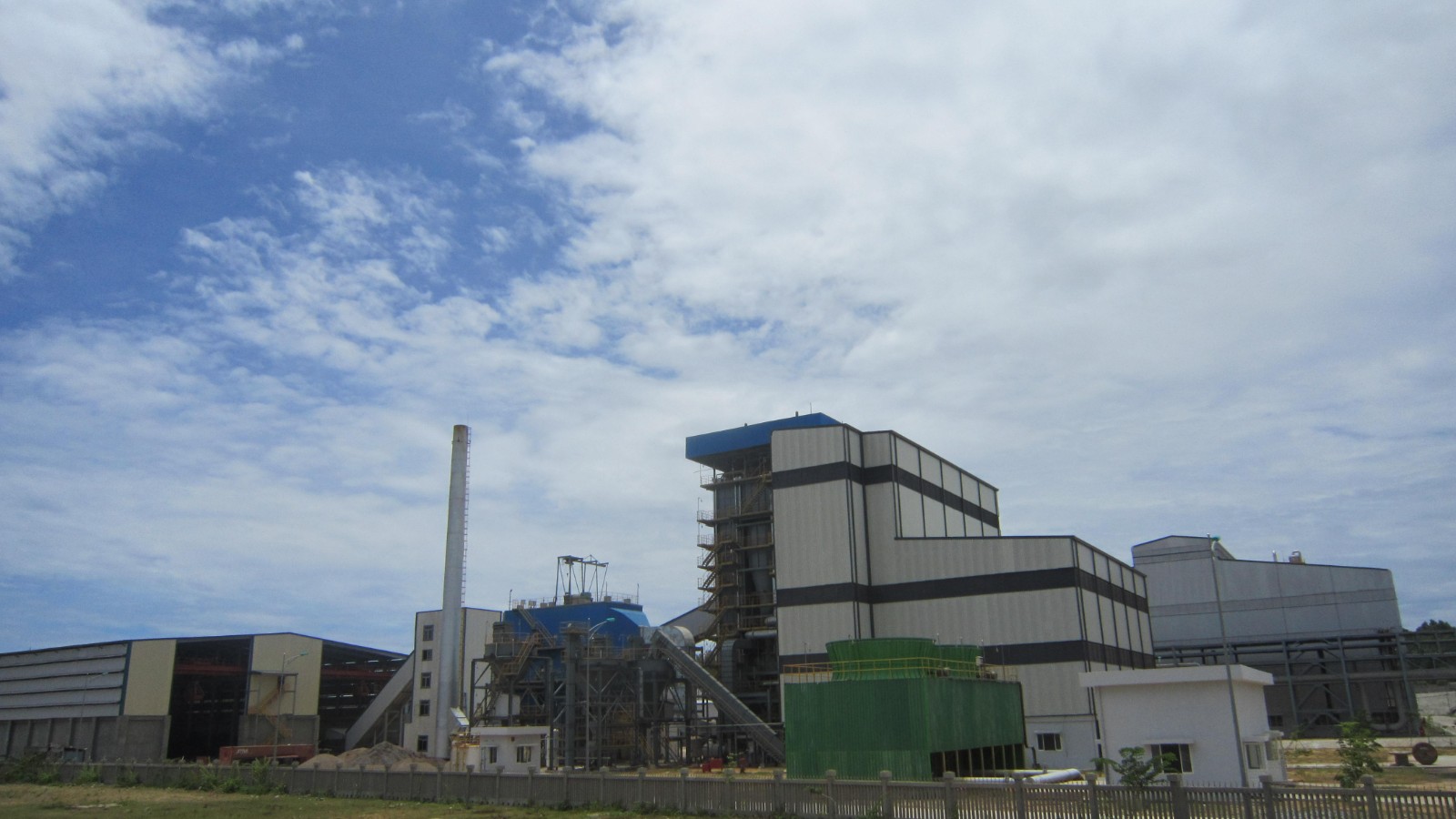
The construction of a boiler island is one of the most critical phases in developing a coal-fired power plant. It serves as the operational core, directly affecting plant efficiency, reliability, and safety. A thoughtfully designed and executed boiler island allows optimal fuel use, consistent energy output, and minimal downtime coal – fired power plant boiler island construction. This article explores the significance of coal-fired power plant boiler island construction, emphasizing its impact on plant operations, efficiency, and environmental compliance.
The Significance of a Boiler Island in Coal-Fired Power Plants
A boiler island encompasses the boiler, fuel handling equipment, pulverizers, and essential auxiliary systems. Its role is to convert coal’s chemical energy into thermal energy, producing high-pressure steam that drives turbines to generate electricity. The quality of boiler island construction directly determines the plant’s operational success, from fuel efficiency to emission control.
RUNH POWER prioritizes precision in coal-fired power plant boiler island construction, ensuring each component—from coal feeders to ash handling units—is designed for seamless and continuous operation.
Essential Considerations During Boiler Island Construction
Building a boiler island requires coordination across civil, mechanical, and electrical engineering disciplines. Key construction considerations include:
Structural Design and Layout
The foundation must support the boiler’s immense weight and withstand vibrations from steam production and coal handling. Thoughtful site layout improves material flow, reduces coal transport times, and ensures safety, contributing to smooth plant operations.
Selection of Materials
Boiler components face extreme heat, pressure, and corrosion. Using high-quality alloys, refractories, and corrosion-resistant materials enhances the longevity and reliability of the boiler. RUNH POWER carefully selects materials that endure these stresses, reducing maintenance and extending operational life.
System Integration
The boiler island interacts with water treatment, fuel supply, and emission control systems. Proper integration ensures all systems operate harmoniously. For instance, precise alignment of coal pulverizers with the boiler promotes uniform combustion, improving thermal efficiency and reducing emissions.
Operational Advantages of Effective Boiler Island Construction
A well-constructed boiler island offers measurable benefits to coal-fired power plant operations.
Increased Efficiency
Optimized boiler island construction promotes complete coal combustion, maximizing heat transfer to the steam cycle. This reduces coal consumption per megawatt-hour, enhancing both energy output and cost-effectiveness. RUNH POWER emphasizes efficiency-driven designs for every project.
Lower Maintenance and Downtime
Reliable construction minimizes mechanical failures and unscheduled maintenance. Proper installation of critical components like economizers, superheaters, and air preheaters ensures continuous operation, improving plant availability and return on investment.
Enhanced Safety
Operating under high pressure and temperature demands strict safety measures. Adhering to construction standards and integrating monitoring systems reduces the risk of boiler accidents, protecting both personnel and equipment. RUNH POWER integrates advanced safety solutions in all boiler island projects.
Environmental Considerations
Environmental responsibility is a major focus for modern coal-fired power plants. Efficient boiler island construction impacts emissions control and regulatory compliance. Correct design of combustion chambers, flue paths, and emission reduction systems decreases pollutants such as NOx, SOx, and particulate matter. RUNH POWER’s approach ensures coal-fired power plant boiler island construction aligns with the latest environmental standards.
Modern Technological Approaches
Contemporary boiler island construction leverages advanced technologies to enhance performance. 3D modeling, CAD, and digital simulations allow engineers to optimize layouts and equipment placement. Automation and smart control systems improve monitoring, operational precision, and responsiveness to fuel quality or load changes.
RUNH POWER’s Expertise
RUNH POWER has set benchmarks in coal-fired power plant boiler island construction. By combining advanced engineering, durable materials, and integrated monitoring systems, RUNH POWER ensures every project achieves operational reliability, efficiency, and safety.
Their projects often feature:
- Optimized coal feeding systems for consistent combustion
- Advanced steam generation technologies for peak efficiency
- Strong structural designs capable of withstanding operational stresses
- Integrated emission control systems meeting stringent environmental regulations
Challenges in Boiler Island Construction
Despite technological advances, boiler island construction poses several challenges:
- Complex System Integration: Aligning multiple systems for seamless operation requires precision engineering.
- High Capital Investment: Boiler island construction involves significant upfront costs.
- Evolving Environmental Standards: Designs must continually adapt to meet stricter environmental requirements.
RUNH POWER overcomes these challenges through careful planning, expert engineering, and strict adherence to best practices.
Conclusion
Coal-fired power plant boiler island construction is far more than a structural project; it is a decisive factor in plant efficiency, safety, and environmental compliance. From promoting fuel efficiency to ensuring reliability and integrating emission controls, the quality of construction shapes every aspect of plant operations.
RUNH POWER demonstrates that a strategically designed and constructed boiler island maximizes operational performance while aligning with modern energy and environmental standards. Investing in high-quality construction today ensures sustainable, reliable energy production for the future.