
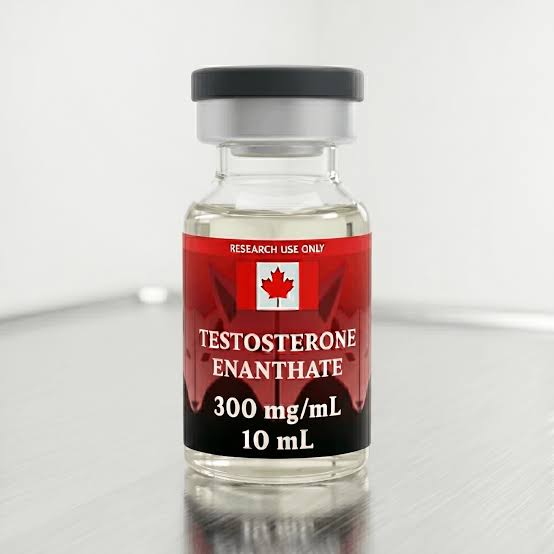
Testosterone enanthate is a long-acting form of testosterone that has an established role in medical treatment. Because it is also discussed extensively in fitness and bodybuilding communities, people searching for testosterone enanthate for sale can encounter a wide range of websites, advertisements, forum posts, and product claims. Researching this subject responsibly requires more than comparing prices or reading promotional descriptions. It involves understanding what testosterone enanthate is, distinguishing legitimate medical information from marketing, and recognizing the potential risks associated with unregulated products.
Understanding Testosterone Enanthate
Testosterone enanthate is an injectable ester of testosterone. In legitimate medical settings, testosterone products may be prescribed for people who have clinically confirmed testosterone deficiency or other appropriate medical indications. The medication is administered according to a healthcare professional’s instructions, with treatment decisions based on symptoms, laboratory testing, medical history, and individual circumstances.
The term testosterone enanthate for sale does not necessarily indicate that a product is legitimate, approved, or appropriate for personal use. Online listings can use familiar pharmaceutical names while providing little evidence about manufacturing standards, ingredient accuracy, storage conditions, or authenticity.
Understanding this distinction is one of the first steps in conducting responsible research.
Why Product Source Matters
When researching testosterone products, the source is an important consideration. Legitimate medicines are manufactured under regulated quality standards and distributed through authorized channels. Products obtained from unknown websites, informal sellers, or unverified marketplaces may not have comparable quality controls.
Unregulated products can create several concerns. The stated concentration may not match the actual contents, contamination may occur during manufacturing, and storage or transportation conditions may affect product quality. In some cases, products marketed under a pharmaceutical name may contain different ingredients altogether.
For this reason, researching the manufacturer, regulatory status, labeling, and legitimate distribution pathway is more useful than relying solely on an attractive product description.
Evaluating Online Information Carefully
Search results for testosterone enanthate for sale can include commercial advertisements alongside educational resources. These sources should not automatically be treated as equally reliable.
A responsible research process begins by checking whether information comes from a recognized healthcare institution, government regulator, licensed pharmacy, medical organization, or peer-reviewed scientific publication. Information that makes dramatic promises, guarantees specific physical results, or minimizes potential risks deserves additional scrutiny.
It is also useful to examine whether a source provides verifiable information about the product’s active ingredient, manufacturer, regulatory authorization, prescribing requirements, and safety information.
Watch for Unusually Strong Claims
Marketing language can make a product appear safer or more effective than available evidence supports. Claims such as “risk-free,” “guaranteed results,” or “no side effects” should be treated cautiously.
Testosterone affects multiple physiological systems, so its use can involve meaningful medical considerations. A responsible source should discuss both potential benefits and potential adverse effects rather than presenting only positive outcomes.
Prescription Status and Medical Oversight
Testosterone therapy is generally a medical treatment rather than an ordinary consumer supplement. Depending on the country, testosterone products may be controlled or prescription-only medicines.
Before considering testosterone therapy, an individual should discuss the subject with a qualified healthcare professional. Appropriate evaluation may include medical history, symptoms, physical assessment, and laboratory testing. A clinician can determine whether testosterone treatment is medically appropriate and whether another underlying issue should be investigated.
This is particularly important because symptoms sometimes attributed to low testosterone can have other causes. Treating the presumed problem without proper evaluation can delay appropriate care.
Potential Health Considerations
Research into testosterone enanthate should include its potential risks as well as its intended therapeutic effects. Testosterone treatment can influence hormone levels, reproductive function, blood parameters, cardiovascular risk factors, mood, skin, and other aspects of health.
Possible adverse effects can vary between individuals and may depend on medical history, treatment circumstances, and hormone levels. Testosterone therapy can also suppress the body’s natural testosterone production and affect fertility.
People with certain medical conditions may require particular caution. This is why medical supervision and appropriate monitoring are important parts of legitimate testosterone treatment.
Monitoring Is an Important Part of Treatment
When testosterone is prescribed, healthcare professionals may monitor relevant laboratory values and assess symptoms and treatment response. Monitoring helps identify potential problems and provides an opportunity to reconsider whether treatment remains appropriate.
Someone researching testosterone enanthate for sale should therefore consider medical supervision as a central part of the subject rather than focusing exclusively on the product itself.
Comparing Legitimate Information
Not every source that discusses testosterone enanthate provides the same level of evidence. A useful research strategy is to compare several types of authoritative information.
Government health agencies can provide information about regulatory status and medication safety. Professional medical organizations can explain appropriate clinical use. Peer-reviewed studies can provide evidence about effectiveness and risks. Official prescribing information can provide detailed information about indications, contraindications, warnings, and adverse reactions.
Using multiple reliable sources reduces the likelihood of accepting an inaccurate claim based on a single commercial page.
Recognizing Warning Signs in Online Listings
People searching for testosterone enanthate for sale may encounter listings that have several warning signs. These can include missing manufacturer information, unclear ingredient labeling, exaggerated medical claims, pressure to purchase quickly, unusually vague contact information, or promises that bypass normal medical requirements.
Another warning sign is a seller that provides extensive claims about results but little information about quality assurance or regulatory compliance.
A professional-looking website does not, by itself, prove that a medicine is authentic. Website design, customer testimonials, photographs, and product reviews can all be misleading.
Questions Worth Asking During Research
Instead of beginning with the question of where to obtain testosterone, it is more useful to ask several foundational questions:
Is testosterone treatment medically appropriate for the intended purpose? Is the product authorized for use in the relevant country? Who manufactured it? Is the distribution channel legitimate? Does the labeling correspond with official product information? What medical monitoring is recommended? What potential interactions, contraindications, or adverse effects should be considered?
These questions encourage evidence-based decision-making rather than impulse purchasing.
The Difference Between Medical Treatment and Performance Use
Testosterone enanthate is sometimes discussed in connection with athletic performance and bodybuilding. This can make online information particularly difficult to evaluate because medical information and performance-oriented discussions are frequently mixed together.
A medication’s legitimate therapeutic use does not mean that unsupervised use for physique or performance purposes is safe. Higher or non-prescribed use can introduce additional risks, and competitive athletes may also need to consider applicable anti-doping rules.
Anyone researching testosterone should therefore distinguish carefully between medically supervised treatment and non-medical use.
Making Research More Responsible
A practical approach to researching testosterone enanthate for sale is to move through the subject systematically. Start by learning what the medication is and what legitimate medical indications exist. Next, consult authoritative healthcare and regulatory sources. Then examine product information, manufacturer details, and regulatory requirements. Finally, discuss personal circumstances with an appropriately qualified healthcare professional.
This approach helps separate evidence from advertising and reduces the chance of making a decision based solely on price, testimonials, or online popularity.
Conclusion
Researching testosterone enanthate for sale requires careful attention to medical evidence, product authenticity, regulatory status, and personal health considerations. Testosterone enanthate is a significant medication, not simply a consumer product, and its use can involve benefits as well as meaningful risks.
Reliable research should prioritize qualified medical advice, authoritative health information, legitimate pharmaceutical sources, and appropriate monitoring. Rather than judging a product by its online presentation or advertised price, readers can make more informed decisions by examining the evidence behind the product, understanding the regulatory environment, and considering whether testosterone treatment is medically appropriate in the first place.