
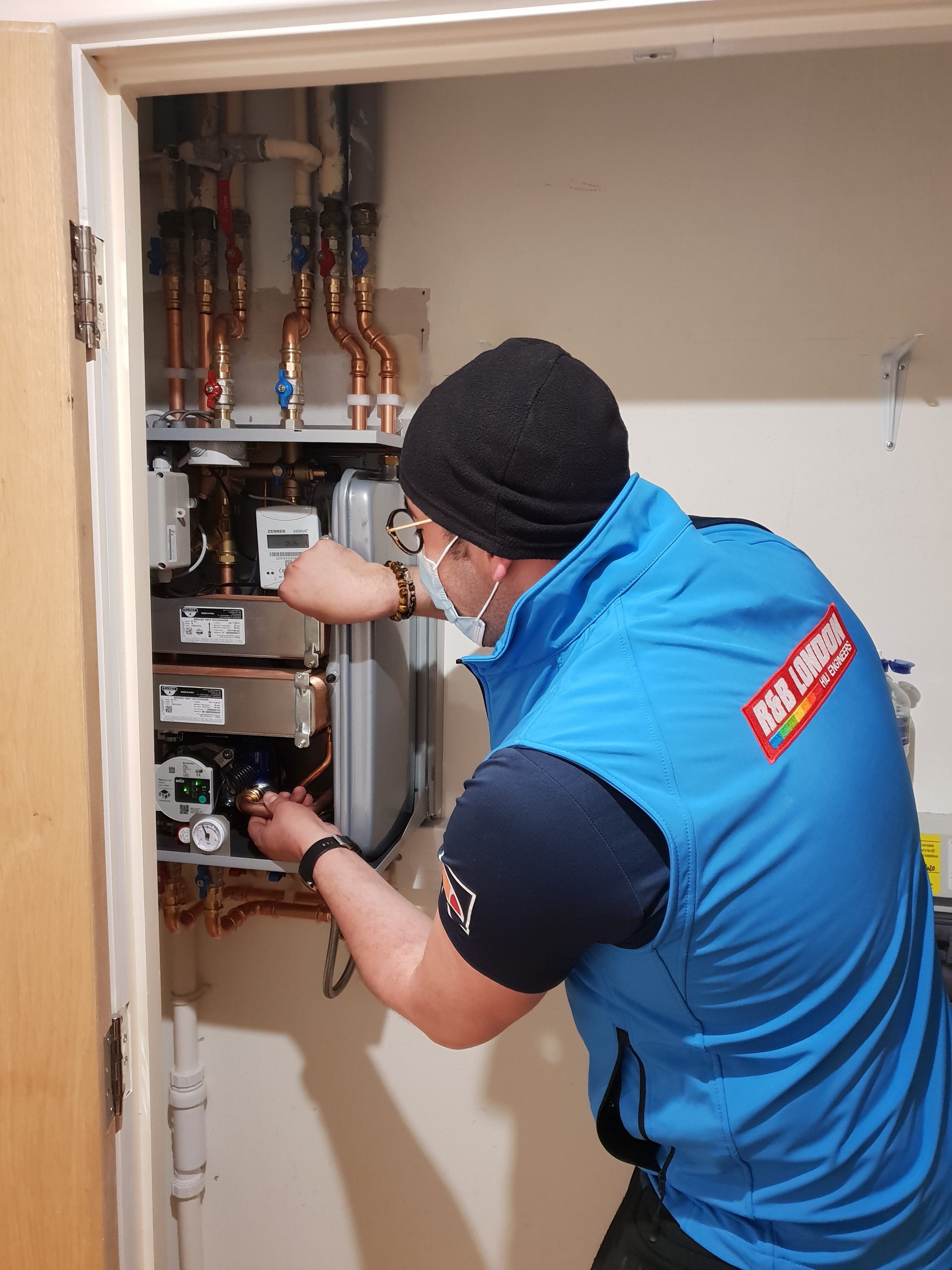
New residential developments require dependable heating and hot water systems from the moment residents move in. In many modern buildings, Heat Interface Units (HIUs) play an important role in delivering these services efficiently from communal or district heating networks. While HIUs are designed for reliable operation, installation issues, component faults, commissioning problems, and general wear can affect performance. Having access to professional HIU repair London services can therefore be an important consideration for developers, property managers, landlords, and facilities teams.
For new developments, repair is not simply about fixing a faulty component. It also involves understanding the building’s heating design, identifying recurring problems, protecting resident comfort, and ensuring that the system operates as intended. Careful planning can help property teams respond to faults efficiently while supporting the long-term performance of the development.
Understanding HIUs in New Developments
The Role of a Heat Interface Unit
An HIU transfers heat from a communal or district heating network into an individual property. It can provide space heating and domestic hot water without requiring every apartment to have its own traditional boiler.
Because each apartment may have its own HIU, a problem with an individual unit can directly affect the residents of that property. In larger developments, multiple faults may also create additional work for maintenance teams.
Understanding how the HIU connects with the wider heating infrastructure is therefore essential when planning maintenance and repairs.
Why New Buildings Need Special Attention
A new development does not necessarily mean a trouble-free heating system. During the early stages of occupation, maintenance teams may discover issues that were not obvious during installation or commissioning.
These can include incorrect settings, air within the system, inadequate flow rates, faulty sensors, pressure-related problems, control issues, or components that require adjustment or replacement.
Professional HIU repair London support can help identify whether the issue originates inside the HIU or elsewhere in the heating network.
Key Considerations Before Repair Work
Review the Original System Design
Before repairing an HIU, technicians should understand how the unit was designed to operate within the building. Important information may include the heating network configuration, operating temperatures, pressure requirements, control strategy, and manufacturer specifications.
The original installation and commissioning documentation can provide useful information when diagnosing faults. This helps technicians avoid treating symptoms without addressing the underlying cause.
Identify the Exact Fault
Heating problems can appear similar even when their causes are completely different. For example, insufficient hot water could be related to a sensor, valve, heat exchanger, flow issue, control setting, or another part of the system.
A structured diagnostic process is therefore important. Instead of immediately replacing parts, a technician can inspect the HIU, review its operating conditions, test relevant components, and determine where the fault originates.
Accurate diagnosis can reduce unnecessary component replacement and help prevent repeat visits.
Component Quality and Compatibility
Use Suitable Replacement Parts
New developments may contain HIUs from particular manufacturers and models. Replacement components should be compatible with the specific equipment.
Using unsuitable parts can create further operational problems and may affect the unit’s performance. Maintenance teams should therefore record model numbers, specifications, and relevant component details for each HIU.
A reliable HIU repair London provider can help determine which parts are appropriate for the equipment being serviced.
Consider Manufacturer Requirements
Some HIUs have specific servicing and repair procedures. Technicians should understand the manufacturer’s recommendations and follow appropriate procedures when working on the equipment.
Maintaining accurate records of repairs, replaced components, and adjustments can also be useful for future maintenance.
Minimising Disruption for Residents
Plan Repairs Carefully
In a new residential development, heating and hot water are essential services. Even a relatively small HIU fault can become a significant inconvenience when residents are affected.
Repair appointments should therefore be organised carefully. Where possible, residents should receive appropriate notice about access requirements and expected work.
For developments with multiple affected apartments, property managers can coordinate appointments to make the repair programme more efficient.
Prioritise Urgent Problems
Not every HIU issue has the same level of impact. A complete loss of heating or hot water may require a faster response than a minor performance issue.
Property managers can establish clear procedures for categorising faults according to urgency. This allows maintenance teams to allocate resources appropriately while keeping residents informed.
Commissioning and Early-Life Faults
Check Commissioning Information
New developments often undergo extensive commissioning before residents move in. However, conditions can change after occupation as apartments begin using heating and hot water systems at different levels.
If several HIUs experience similar problems, this may indicate a wider commissioning or system-balancing issue rather than independent faults.
In such cases, repeatedly repairing individual units may not solve the underlying problem. A broader investigation may be necessary.
Look for Recurring Patterns
Keeping detailed maintenance records can reveal whether particular apartments, floors, or groups of HIUs experience similar faults.
For example, repeated problems with temperature control across several units could suggest a shared issue. Recognising these patterns can help maintenance teams investigate the wider system rather than treating each incident separately.
Preventive Maintenance for New Developments
Establish a Maintenance Schedule
Although new equipment may initially require less attention, preventive maintenance remains valuable. Regular inspections can identify developing issues before they become major failures.
A maintenance schedule may include visual inspections, performance checks, control verification, component assessment, and cleaning where appropriate.
The exact requirements should depend on the HIU manufacturer, system design, building use, and maintenance recommendations.
Maintain Detailed Service Records
Every repair should ideally be documented. Records can include the apartment location, date of repair, reported symptoms, diagnosis, components replaced, work completed, and any recommendations.
Over time, this information can help property managers understand the performance of the development’s heating infrastructure.
Working With Experienced Repair Specialists
Technical Knowledge Matters
HIUs combine heating, hot water, hydraulic, mechanical, and control components. Repairing them effectively requires an understanding of how these elements interact.
A qualified technician should be able to investigate the immediate fault while also considering the wider heating system.
For developers and property managers, choosing an experienced HIU repair London specialist can make it easier to establish consistent repair procedures across a development.
Response Time and Availability
Service availability is another important consideration. A new development may contain dozens or hundreds of residential units, meaning a single maintenance issue can sometimes be followed by additional reports.
A clear response process can help property teams manage faults efficiently. It is useful to understand how emergencies, routine repairs, spare parts, appointments, and follow-up inspections will be handled.
Planning for Long-Term Reliability
Build Repair Data Into Property Management
HIU repair should not be viewed only as a reactive service. Information collected during repairs can contribute to better building management.
If certain components repeatedly fail or specific units require frequent attention, property managers can use the data to review maintenance strategies and identify potential improvements.
This approach can help reduce avoidable disruption and improve visibility over the condition of the heating system.
Consider Resident Communication
Residents should have a straightforward way to report heating and hot water problems. Clear reporting channels can help maintenance teams receive accurate information about symptoms and respond appropriately.
Simple guidance can also help residents understand what information to provide when reporting a problem, such as whether heating, hot water, or both services are affected.
Conclusion
New developments depend on effective heating infrastructure to provide comfortable and reliable homes. HIUs can offer an efficient approach to delivering heating and domestic hot water, but they still require appropriate diagnosis, maintenance, and repair when problems occur.
Professional HIU repair London services can support developers, landlords, and property managers by addressing faults systematically and considering the wider heating system. From checking original design information and identifying compatible replacement parts to maintaining detailed repair records and planning preventive maintenance, several factors contribute to effective HIU management.
For new developments, the goal should not simply be to repair faults after they appear. A structured approach that combines accurate diagnosis, appropriate maintenance, resident communication, and long-term monitoring can help create a more dependable heating service throughout the property’s operational life.