
Introduction
Wireless earbuds have become an essential accessory for people who enjoy music, podcasts, online meetings, and other forms of digital entertainment. As technology continues to improve, manufacturers are introducing new designs that focus on comfort, convenience, and better awareness of the surrounding environment. open ear wireless earbuds are an increasingly popular option for listeners who want to enjoy audio without completely blocking their ears.
Unlike traditional in-ear earbuds, which fit inside the ear canal, open ear models are designed to deliver sound while leaving the ear canal open. This design offers a different listening experience that can be useful during daily activities, outdoor walks, office work, and casual exercise. For people who find conventional earbuds uncomfortable after extended use, open ear wireless earbuds may provide a practical alternative.
Understanding their features, benefits, limitations, and everyday applications can help consumers decide whether this type of audio device suits their lifestyle.
What Are Open Ear Wireless Earbuds?
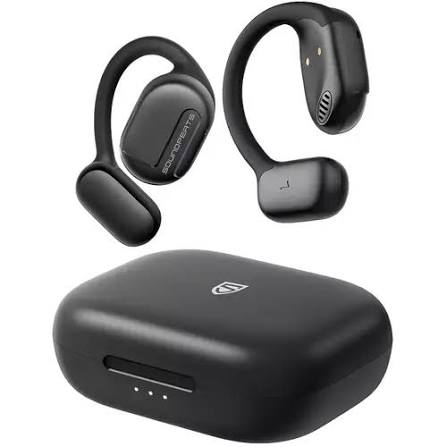
Open ear wireless earbuds are audio devices that allow users to listen to sound without inserting ear tips deeply into their ear canals. Depending on the model, they may sit near the outer ear, use an ear hook, or position a small speaker close to the ear opening.
These earbuds generally connect to smartphones, tablets, laptops, and other compatible devices through Bluetooth. Once connected, users can play music, answer calls, listen to podcasts, or participate in virtual meetings without dealing with traditional wired headphones.
Their defining characteristic is the open listening design. Because the ear canal remains unobstructed, users can hear audio while maintaining greater awareness of nearby sounds. This feature can be particularly useful in environments where hearing announcements, conversations, or traffic is important.
However, the exact experience depends on the product’s design, sound technology, fit, and intended purpose.
The Comfort Advantages of Open Ear Technology
Reduced Pressure Inside the Ear Canal
One of the main reasons people consider open ear wireless earbuds is comfort. Traditional in-ear models rely on ear tips that enter the ear canal, and some users experience pressure or irritation when wearing them for long periods.
Open ear designs avoid this particular issue because they do not require the same type of insertion. Their positioning can feel more natural for people who dislike the sensation of having something inside their ears.
Nevertheless, comfort varies between individuals. Ear hooks, frames, and contact points can create pressure if their shape does not suit the wearer. Choosing an appropriate design remains important.
Suitable for Extended Listening Sessions
Many people use wireless earbuds throughout the day for entertainment, communication, and productivity. Comfortable positioning can make these activities more enjoyable.
Open ear earbuds may be useful during remote work, online classes, household tasks, and long listening sessions. Their lightweight construction can also reduce the feeling of wearing bulky headphones.
Although these benefits can improve convenience, users should still take regular breaks and keep the volume at a reasonable level. Leaving the ear canal open does not eliminate the possibility of hearing damage from loud audio.
A More Natural Wearing Experience
Some listeners prefer devices that do not create a sealed feeling around or inside the ears. Open ear wireless earbuds provide an alternative that allows airflow through the ear canal.
This can be appealing in warm weather or during activities that involve movement. Depending on the design, the earbuds may also be easier to put on and remove throughout a busy day.
Important Features to Consider
Sound Quality and Audio Clarity
Sound quality remains one of the most important considerations when selecting any wireless audio device. Open ear earbuds use different speaker arrangements and sound-delivery technologies, so performance varies between models.
Consumers should look for clear vocals, balanced music playback, and sufficient detail across different audio frequencies. People who enjoy podcasts and audiobooks may prioritize speech clarity, while music enthusiasts may prefer stronger bass and a more balanced sound profile.
Because open ear designs do not create the same acoustic seal as many in-ear earbuds, bass response and sound isolation may differ. Listening to a demonstration, when possible, can help determine whether the audio quality meets personal expectations.
Bluetooth Connectivity
Reliable wireless connectivity is essential for everyday use. A suitable pair of open ear earbuds should connect easily to compatible devices and maintain a stable connection during normal activities.
Bluetooth performance affects music playback, video watching, and phone conversations. Some models also support multipoint connectivity, allowing users to connect to more than one device.
Before purchasing, check Bluetooth compatibility, supported features, and whether switching between a laptop and smartphone is convenient.
Battery Life and Charging
Battery performance influences how useful wireless earbuds are during a busy schedule. Some models provide several hours of playback per charge, while a charging case can extend total listening time.
When comparing products, distinguish between battery life from one charge and the combined playback time available with the charging case. Actual performance may vary according to volume, connection settings, and other features.
Fast charging can also be helpful when there is limited time to prepare before leaving home.
Fit, Weight, and Stability
A comfortable fit should remain stable during walking, commuting, or light exercise. Open ear wireless earbuds may use flexible hooks, lightweight frames, or adjustable positioning to improve stability.
Look for smooth contact surfaces, secure attachment, and a shape that fits comfortably without excessive pressure. If possible, test the product before purchasing.
People who wear glasses should pay particular attention to ear-hook designs because some shapes may interfere with the arms of their glasses.
Microphone Performance
Clear microphone performance is valuable for phone calls, virtual meetings, and voice messages. Some wireless earbuds include noise-reduction features that help make speech easier to understand in everyday environments.
However, microphone performance can vary considerably in windy or crowded places. Consumers who frequently take calls outdoors should check independent reviews and practical microphone demonstrations before choosing a model.
Everyday Uses for Open Ear Wireless Earbuds
Listening While Walking
Open ear earbuds can be useful for people who enjoy listening to music or podcasts while walking. Their open design allows more surrounding sound to reach the ears than many sealed in-ear models.
This can help users remain more aware of their environment. However, it does not guarantee that traffic, bicycles, or warning signals will always be heard clearly. Keep the volume low and remain attentive, especially when crossing roads.
Working and Studying
During office work or study sessions, open ear earbuds provide a way to listen to audio without completely disconnecting from the surrounding environment.
A person working at home may listen to background music while remaining available for conversations. In shared workplaces, they may also be able to hear colleagues or announcements more easily than when using strongly isolating headphones.
For concentrated tasks, though, the lack of sound isolation can be a disadvantage in noisy surroundings.
Fitness and Outdoor Activities
Some open ear wireless earbuds are designed for walking, running, cycling in appropriate settings, and general exercise. Their secure fit can help prevent the discomfort associated with earbuds that move inside the ear canal.
When choosing a model for workouts, consider sweat resistance, durability, and stability. Check the manufacturer’s water-resistance rating rather than assuming every wireless model can handle moisture.
For cycling and other activities involving traffic, local laws and safety requirements should always take priority over listening to audio.
Calls and Daily Communication
Wireless earbuds can simplify communication when users need to answer calls while completing routine tasks. An integrated microphone and easy-to-access controls can make managing calls more convenient.
Features such as touch controls, physical buttons, and voice-assistant compatibility vary by model. Buyers should select controls that are simple to operate without repeatedly interrupting their activities.
Open Ear Earbuds Compared With Traditional In-Ear Models
Traditional in-ear earbuds are often preferred by people who want stronger passive noise isolation, compact designs, and immersive listening. Their sealed fit can also help deliver more consistent bass.
Open ear wireless earbuds prioritize a different set of benefits. They keep the ear canal open, allow more environmental sound to reach the listener, and may feel more comfortable for individuals who dislike ear tips.
Neither design is automatically better for everyone. People who frequently travel on noisy public transport may prefer isolating earbuds, while those who value environmental awareness during everyday activities may appreciate an open ear design.
It is also important to remember that open ear earbuds can leak sound into the surrounding area, particularly at higher volumes. This may make them less suitable for quiet libraries, shared offices, or other noise-sensitive environments.
Tips for Choosing the Right Pair
Start by identifying how you intend to use your earbuds. A person who primarily listens to podcasts may prioritize voice clarity, while someone who takes frequent calls may need a dependable microphone.
Next, compare comfort, battery life, connectivity, durability, and charging options. Check the dimensions and wearing style carefully, especially if you use glasses or plan to wear the earbuds for several hours.
Reading detailed product reviews can help reveal practical strengths and weaknesses that specifications alone may not explain. Pay attention to comments about connection stability, fit during movement, audio leakage, and long-term comfort.
Price should also be considered alongside quality and useful features. A more expensive model is not necessarily the best choice if its design does not suit your ears or its features exceed your needs.
Finally, consider hearing safety. Open ear technology does not make unlimited listening safe. Keep the volume moderate, take breaks, and avoid increasing the volume excessively to overcome background noise.
Conclusion
Open ear wireless earbuds offer a distinctive approach to personal audio by combining wireless convenience with a design that leaves the ear canal unobstructed. Their potential advantages include reduced ear-canal pressure, greater awareness of surrounding sounds, and comfortable use during a variety of everyday activities.
Features such as sound quality, battery performance, Bluetooth connectivity, microphone clarity, and fit remain essential when comparing different models. Their open design can be beneficial in suitable environments, although it provides less isolation and may allow sound to escape.
Ultimately, the right choice depends on individual preferences and listening habits. By comparing practical features and considering where the earbuds will be used, consumers can find an option that supports comfortable, convenient, and responsible everyday listening.