
Introduction
Technology is changing the way people understand and manage their health. From smartwatches and fitness trackers to mobile health applications, modern devices make it easier to monitor daily activities and develop healthier routines. Among these innovations, smart rings are becoming an increasingly popular option for people who want convenient health monitoring without wearing a large device on their wrist. These compact accessories combine stylish designs with sensors that can collect useful information about sleep, heart rate, activity, and other wellness indicators.
Smart rings offer a simple approach to tracking personal health throughout the day. Their small size, lightweight construction, and discreet appearance make them suitable for work, exercise, travel, and everyday activities. Instead of constantly checking a screen, users can wear a ring and review their health information through a connected smartphone application.
Brands such as colmi r09 uk have helped introduce smart rings to consumers interested in accessible wearable technology. For people exploring alternatives to traditional fitness trackers, Colmi smart rings can be an option worth researching, depending on the features, compatibility, and monitoring capabilities of the particular model.
Understanding how smart rings work and what they can offer helps consumers decide whether these devices fit their lifestyle. From improving awareness of daily movement to encouraging better sleep habits, smart rings demonstrate how wearable technology can make routine health monitoring more convenient.
Understanding Smart Rings and Their Technology
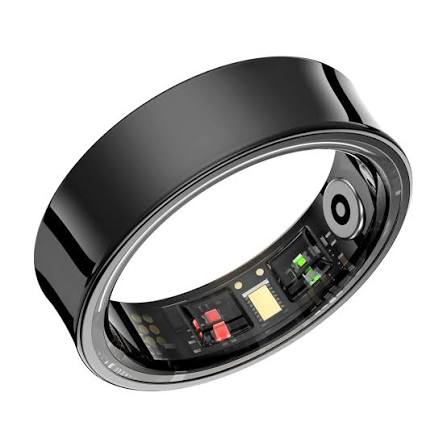
Smart rings are wearable electronic devices designed to fit around a finger while collecting selected health and activity measurements. Although they resemble ordinary jewelry, they may contain miniature sensors, wireless connectivity components, and rechargeable batteries.
These components allow compatible smart rings to gather information and transfer it to a smartphone application. Users can then view summaries, identify patterns, and learn more about their daily habits.
How Smart Rings Collect Health Information
Most health-focused smart rings rely on optical sensors and motion sensors. Optical sensors can use light to estimate measurements such as heart rate by detecting changes in blood flow beneath the skin. Motion sensors help identify movement patterns, activity levels, and periods of rest.
Depending on the model, additional sensors or algorithms may support sleep tracking, temperature trend monitoring, and other wellness features. The available measurements vary considerably between devices, so consumers should review individual product specifications rather than assume that every smart ring offers identical functions.
Smart rings generally synchronize information with a smartphone through Bluetooth. Once the connection is established, the associated application presents collected measurements in an understandable format.
This combination of small sensors and mobile software allows users to monitor selected health indicators without carrying a separate tracking device throughout the day.
Why Their Compact Design Matters
One of the most attractive features of smart rings is their discreet design. Compared with larger wearables, rings occupy relatively little space and do not require a wristband or visible display.
Their compact construction can make them comfortable for people who prefer minimal accessories. Many users also appreciate that smart rings look like ordinary jewelry, allowing them to fit naturally into professional and casual environments.
A screen-free design can reduce the temptation to check notifications repeatedly. Instead, users can review their measurements when convenient, making the experience less distracting.
Monitoring Heart Rate Throughout the Day
Heart rate is one of the most familiar measurements available through wearable health technology. Tracking it can help people understand how their bodies respond to ordinary activities, exercise, rest, and changes in daily routines.
Understanding Resting Heart Rate
Resting heart rate describes the number of heartbeats per minute while a person is resting. Wearable devices that support this feature can estimate resting heart rate during suitable periods and display trends over time.
For example, someone who regularly reviews their resting heart rate may notice that the readings change alongside sleep quality, activity levels, stress, or illness. However, an individual reading does not necessarily identify the cause of a change.
A smart ring from a brand such as Colmi may provide heart rate monitoring depending on the specific model. Before purchasing, users should check whether the device supports continuous measurements, periodic measurements, or measurements initiated manually.
Understanding these differences is important because monitoring frequency affects the amount of information available throughout the day.
Making Activity Monitoring Easier
Smart rings can also help users observe how their heart rate responds to movement. Walking, climbing stairs, cycling, and other physical activities may produce different heart rate patterns.
Reviewing these patterns can encourage users to become more aware of their activity habits. For example, someone who spends most of the day sitting might use activity summaries as a reminder to take regular movement breaks.
However, readings from a consumer wearable should not replace professional medical assessment. Sensor accuracy can vary depending on device design, finger fit, movement, skin characteristics, and other factors.
Improving Sleep Awareness With Smart Rings
Sleep is essential for physical recovery, concentration, emotional well-being, and everyday performance. Nevertheless, many people find it difficult to understand their sleeping habits without a consistent way to record them.
Smart rings can simplify this process by collecting movement and other sensor data while users sleep.
Tracking Sleep Duration and Patterns
Compatible smart rings may estimate total sleep duration and identify periods associated with different sleep stages. Their companion applications can present these estimates through charts, summaries, and nightly reports.
For example, users might compare their estimated sleep duration across several nights and determine whether their current routine provides sufficient time for rest.
Sleep tracking can also reveal patterns associated with late bedtimes, irregular schedules, or frequent nighttime movement. These observations may encourage people to develop more consistent sleep habits.
It is important to remember that consumer sleep-stage estimates are not equivalent to a clinical sleep study. They provide useful general information but cannot independently diagnose sleep disorders.
Encouraging Better Bedtime Habits
A wearable device becomes more valuable when its information leads to practical improvements. Someone who notices consistently short sleep periods might experiment with a regular bedtime, a quieter sleeping environment, or reduced screen use before bed.
Smart rings are particularly convenient for overnight monitoring because many models are smaller than conventional wrist-worn trackers. However, comfort depends on ring size, design, and individual preference.
People considering Colmi products should examine the selected model’s sleep-tracking capabilities, battery life, and comfort recommendations to determine whether it suits overnight wear.
Understanding Daily Activity and Movement
Health monitoring is not limited to heart rate and sleep. Everyday movement also plays an important role in maintaining general well-being.
Smart rings can help users recognize their activity patterns and become more mindful of how they spend their time.
Tracking Steps and Daily Activity
Depending on the model, a smart ring may estimate steps, movement, and other activity measurements. The associated application can summarize daily totals and help users compare activity across different days.
These summaries may be especially useful for people who work at desks or spend long periods studying. A simple activity record can highlight how much movement occurs during a typical day.
Users can then make small, realistic adjustments, such as walking during breaks, taking the stairs when appropriate, or including short walks in their routines.
Activity estimates are not always exact. Hand movements, sensor placement, and the algorithms used by each device can influence results. Therefore, the most useful approach is often to focus on general patterns instead of treating every recorded number as perfectly accurate.
Supporting Consistent Fitness Routines
Smart rings can complement walking, gym sessions, cycling, and other forms of physical activity. By reviewing available activity summaries, users can better understand whether they are maintaining a consistent routine.
For instance, someone beginning a walking habit might compare activity levels across several weeks to observe progress. Another person may use movement reminders or daily summaries, when available, to avoid remaining inactive for extended periods.
A ring is not necessarily a replacement for a dedicated sports watch, especially for users who need detailed workout metrics, GPS routes, or specialized training information.
Nevertheless, for people who mainly want a simple overview of everyday movement, a smart ring may provide enough information to support healthier habits.
How Colmi Fits Into the Smart Ring Market
Colmi is a wearable technology brand associated with smartwatches and smart rings. Its products may appeal to consumers who want to explore wearable health monitoring without automatically choosing a premium device.
When considering Colmi, it is important to evaluate the features of the exact model rather than relying on the brand name alone. Smart rings can differ significantly in sensor capabilities, application support, battery performance, and compatibility.
Features Worth Comparing
Before selecting a Colmi smart ring, consumers should review several important characteristics.
First, examine the available health measurements. Some devices focus on basic activity and heart rate information, while others may offer additional wellness indicators. Confirm which features are supported by the specific model and its companion application.
Second, investigate smartphone compatibility. Check whether the ring works with the intended Android or iOS device and whether the application provides the information needed.
Third, consider battery life and charging arrangements. A ring that requires frequent charging may interrupt overnight tracking or make continuous wear less convenient.
Finally, review the manufacturer’s instructions for sizing, water resistance, software updates, and warranty coverage.
Balancing Price and Functionality
Price is an important consideration when comparing wearable devices. A less expensive smart ring may offer useful basic monitoring, while a more advanced alternative could provide additional sensors, improved software, or a broader set of features.
Consumers should avoid assuming that a lower price guarantees poor quality or that a higher price guarantees greater accuracy. Instead, compare specifications, independent reviews, return policies, and the practical usefulness of each feature.
For people interested in Colmi, checking current product information and confirming which functions are available in their region can help prevent disappointment after purchase.
Reducing Dependence on Smartphone Screens
Many wearable devices display notifications, messages, and other information directly on the device. Although these functions can be useful, they can also encourage frequent interruptions.
Smart rings generally offer a different experience because many models do not include a conventional screen.
Reviewing Information When Convenient
A screen-free ring can collect supported measurements in the background while the user focuses on other activities. Health summaries can then be reviewed through a connected smartphone application.
This arrangement separates data collection from data viewing. Users do not need to check their health information constantly to benefit from longer-term trends.
For example, someone might review their sleep summary in the morning and check their activity information in the evening. This approach can provide useful feedback without turning every daily movement into a reason to open an application.
Supporting More Focused Daily Routines
People who prefer fewer digital distractions may appreciate the simplicity of a smart ring. Without a prominent screen, the device can remain unobtrusive during meetings, classes, reading, and social activities.
However, a screen-free design does not automatically eliminate digital distractions. Users still need to decide how frequently they open the companion application and whether notifications from that application are necessary.
The main advantage is the opportunity to make health information available without requiring constant interaction.
Convenience for Work, Travel, and Everyday Life
Smart rings are designed to accompany users through a range of ordinary situations. Their portability and compact form can make them suitable for people who move between work, home, exercise, and travel.
Wearable Monitoring During Busy Days
During a busy workday, a smart ring may record selected measurements without requiring the user to adjust a wristband or interact with a screen.
People who travel frequently may also appreciate having a lightweight device that occupies little space. Depending on its battery capacity and charging system, a ring may be convenient for monitoring activity and sleep away from home.
For everyday use, the key benefits are simplicity and accessibility. Users can collect information while concentrating on their usual responsibilities.
Comfort and Consistent Wear
Comfort strongly influences whether someone continues using a wearable device. A ring that fits correctly and feels comfortable is more likely to become part of a regular routine.
Sizing deserves particular attention because fingers can change slightly in size throughout the day and under different temperature conditions. A ring that is too tight may be uncomfortable, while one that is too loose may produce less reliable readings or slip off.
Consumers should follow the manufacturer’s sizing guidance and consider whether the ring is suitable for exercise, sleeping, and the activities they perform most often.
Understanding the Limitations of Smart Rings
Although smart rings provide convenient monitoring, they have limitations that consumers should understand before purchasing one.
Health Measurements Are Estimates
Most consumer smart rings use sensors and algorithms to estimate selected measurements. Results can be affected by movement, fit, environmental conditions, and individual differences.
A ring may be helpful for observing broad patterns, but its readings should not automatically be treated as definitive medical measurements.
If a reading appears unusual or causes concern, users should consider the wider context and seek advice from a qualified healthcare professional when appropriate.
Not Every Device Offers the Same Features
Product descriptions can create the impression that all smart rings provide comprehensive health tracking. In reality, available functions differ between manufacturers and models.
Some devices may support heart rate monitoring and activity tracking but lack advanced sleep analysis or other measurements. Certain features may also require a compatible smartphone application or subscription.
Before buying a Colmi ring or another wearable, consumers should confirm the exact supported features rather than relying only on general descriptions of smart ring technology.
Privacy and Data Security
Health-related information can be personal, making data privacy an important part of wearable technology.
Users should review the companion application’s privacy policy, understand which information is collected, and check whether data is shared with third parties. Strong smartphone security and careful management of application permissions can also help protect personal information.
Choosing a wearable should involve more than comparing appearance and price. Consumers should consider how their information is stored, accessed, and managed.
Tips for Getting More Value From a Smart Ring
Using a smart ring effectively requires realistic expectations and consistent habits. The goal is not to monitor every bodily change but to gather useful information that supports everyday decisions.
Establish a Consistent Routine
Wearing a compatible device consistently, according to its instructions, can help users collect more comparable measurements. Review the information regularly rather than reacting to every small fluctuation.
Focus on Trends Instead of Individual Readings
A single measurement may not provide much context. Comparing observations over several days or weeks can help users identify patterns in sleep, movement, and other supported indicators.
Connect Measurements to Practical Habits
Health information becomes more valuable when it encourages realistic actions. For example, activity summaries might motivate regular walks, while sleep reports may encourage a more consistent bedtime.
Avoid making major health decisions based solely on a consumer wearable’s results.
Keep the Device Clean and Charged
Follow the manufacturer’s cleaning instructions and charging recommendations. Check the ring periodically for damage and confirm its water-resistance limitations before wearing it during activities involving water.
For Colmiusers, the official instructions for the particular model are the best starting point for maintenance and feature guidance.
The Future of Smart Rings and Personal Wellness
Wearable technology continues to develop as manufacturers improve sensors, software, battery efficiency, and data presentation. Smart rings may become more useful as these improvements help users understand their everyday routines.
Future developments could include better activity classification, more personalized summaries, improved integration with health applications, and clearer explanations of long-term trends. However, the availability and performance of such features will depend on individual products and future technological advances.
Another important development is the growing emphasis on making health information understandable. Collecting large amounts of data is not enough if users cannot interpret what the measurements mean.
Clear explanations, transparent limitations, and responsible handling of personal information will remain important for consumer trust.
Brands such as Colmi participate in a market where affordability, comfort, compatibility, and useful features all influence purchasing decisions. As competition develops, consumers will benefit from comparing devices according to practical needs instead of choosing products based only on appearance or marketing claims.
Conclusion
Smart rings make everyday health monitoring more convenient by combining compact designs with sensors that can track selected measurements, including heart rate, activity, and sleep-related indicators. Their lightweight construction and generally screen-free experience allow users to collect information without constantly interacting with a wearable device.
These accessories can help people recognize daily patterns, develop more consistent routines, and become more aware of their general wellness. Nevertheless, measurements vary in accuracy, features differ between models, and consumer devices should not replace professional medical care.
For individuals exploring accessible wearable technology, Colmi smart rings may be worth considering after reviewing the specifications, smartphone compatibility, comfort, and monitoring features of the chosen model.
Ultimately, the greatest value of a smart ring comes from using its information thoughtfully. By focusing on consistent habits, practical improvements, and realistic expectations, users can make wearable technology a helpful part of their everyday health and wellness routines.