
Keeping smartphones, tablets, wireless earbuds, and other portable electronics charged has become an essential part of everyday life. Whether you are commuting to work, traveling, studying, or spending a day outdoors, running out of battery can quickly become inconvenient. A power bank can provide a practical solution, but traditional models often require users to carry a separate charging cable. A power bank with built in USB C cable removes that extra step and makes portable charging simpler, faster, and more organized.
Convenient Charging Without Extra Cables
One of the biggest advantages of a power bank with built in USB C cable is convenience. Instead of carrying a power bank and a separate cable, users can keep everything together in one compact device. The integrated cable is usually stored directly on or inside the power bank, allowing it to remain available whenever charging is needed.
This is particularly useful when traveling. A separate cable can easily be forgotten, misplaced, or tangled inside a backpack. With an integrated USB-C connection, there is one less accessory to remember. Simply connect the built-in cable to a compatible device and begin charging.
A Better Choice for Everyday Carry
Modern lifestyles often require people to carry several electronic devices. Smartphones are used for communication, navigation, entertainment, work, and payments, while tablets, headphones, cameras, and other accessories can also consume battery power throughout the day.
A compact power bank can become an everyday essential because it provides backup power wherever an electrical outlet is unavailable. The built-in cable makes the setup even more convenient because users do not have to search through bags for the correct charging lead.
For commuters, students, remote workers, and frequent travelers, this combination of portability and convenience can make a noticeable difference.
Why USB-C Makes Portable Charging More Practical
USB-C has become increasingly common across modern electronics because of its compact design and versatility. Many current smartphones, tablets, laptops, headphones, and other accessories use USB-C connections. Having an integrated USB-C cable therefore makes a portable charger compatible with a broad range of devices.
Before choosing a power bank, however, it is important to check the charging requirements of your devices. USB-C describes the connector, but charging speeds and supported power levels can vary between products. A good power bank should provide specifications that match the devices you intend to charge.
Less Clutter in Your Bag
Cable management can become surprisingly frustrating when carrying several electronic accessories. Separate charging cables can become tangled, damaged, or difficult to identify. A power bank with a built-in cable helps reduce this clutter.
The integrated cable stays with the power bank, creating a more organized charging setup. This is especially helpful for people who prefer minimalist travel bags or compact everyday-carry arrangements.
Instead of packing a charger, cable, and portable battery separately, users can often carry a single charging accessory. The result is less bulk and a more straightforward setup.
Useful for Travel and Commuting
Travel situations are where portable charging becomes especially valuable. Airports, trains, buses, hotels, and outdoor destinations do not always provide convenient access to electrical outlets. A power bank provides an independent source of backup energy when needed.
The built-in cable adds another layer of convenience. Travelers can quickly connect their phone without unpacking additional accessories. During long journeys, this can make it easier to keep navigation, boarding information, communication apps, and entertainment available.
For business travelers, keeping a phone charged can also help maintain access to emails, calendars, authentication applications, and work-related communication.
Choosing the Right Capacity
Battery capacity is one of the most important factors when selecting a portable charger. Capacity is commonly expressed in milliamp-hours, or mAh. Higher-capacity models can generally store more energy, although actual charging performance depends on efficiency, output power, and the device being charged.
A smaller power bank may be sufficient for occasional emergency charging and everyday smartphone use. Larger models can be more suitable for long trips or situations where several devices need additional power.
However, higher capacity usually means increased size and weight. The ideal choice depends on whether portability or maximum battery capacity is the priority.
Consider Charging Speed and Output
Capacity is not the only specification that matters. Charging speed should also be considered. A power bank with a suitable USB-C output can potentially charge compatible devices more efficiently than an older low-output portable charger.
Users should examine the manufacturer’s stated output ratings and compare them with the requirements of their smartphones, tablets, or other devices. Fast-charging technologies may require compatible hardware on both the power bank and the device.
It is also useful to consider whether the power bank can charge multiple devices simultaneously. This feature can be valuable for people who regularly carry a phone, earbuds, smartwatch, or tablet.
Built-In Cable Versus Separate Cable
Both built-in and detachable cables have advantages. A detachable cable offers flexibility because users can replace it or switch between different connector types. A built-in cable, on the other hand, prioritizes convenience and reduces the number of accessories that need to be carried.
For people who primarily use USB-C devices, an integrated cable can be particularly practical. It provides immediate access to charging without requiring another cable.
The best option ultimately depends on personal preferences and the types of devices being used regularly.
How It Fits Into a Modern Tech Setup
A portable charger is only one part of a modern collection of technology accessories. People may also use hubs, adapters, keyboards, monitors, external storage, and other equipment at home or in the office.
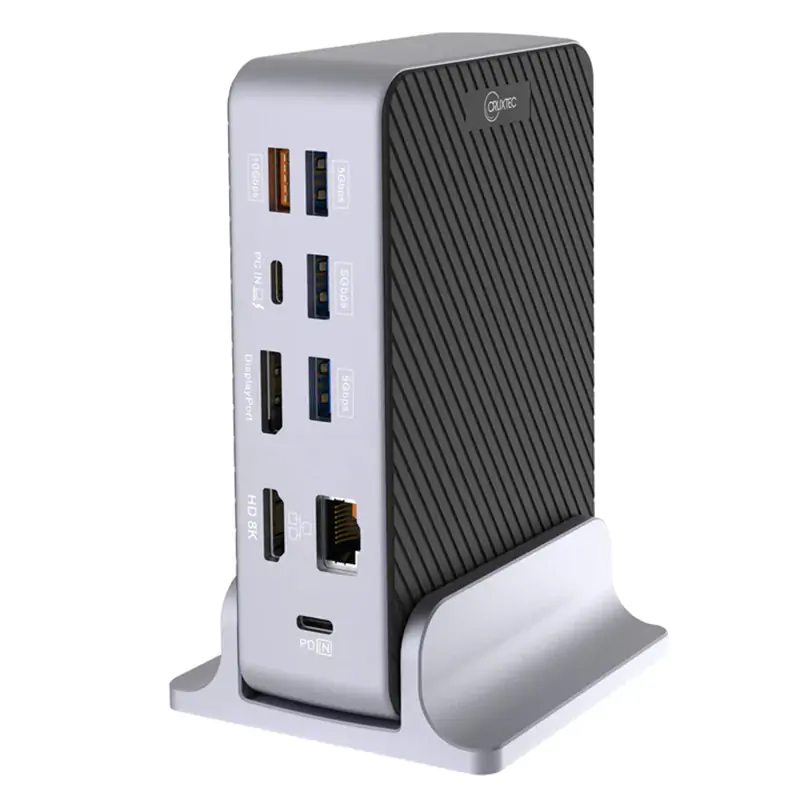
For example, a 15 in 1 docking station can consolidate numerous desktop connections into a single workstation accessory. Although a docking station serves a different purpose from a portable power bank, both products address the same general challenge: simplifying the way people manage multiple devices.
A docking station can help organize a workspace, while a portable power bank helps maintain device availability when users are away from their desks.
Safety and Build Quality Matter
When purchasing any battery-powered accessory, build quality should be a major consideration. Look for products from reputable manufacturers that clearly provide information about battery specifications, charging capabilities, and safety features.
Protection against issues such as overcharging, overheating, overcurrent, and short circuits can help improve the safety and reliability of a portable charger. Users should also follow the manufacturer’s instructions for charging, storage, and general use.
Avoid exposing a power bank to extreme heat, moisture, or physical damage, as these conditions can affect rechargeable batteries.
Keeping the Power Bank Ready
A portable charger is only useful when it has sufficient charge. Developing a simple habit of recharging the power bank after use can ensure it is ready for the next trip or busy day.
It is also worth checking the battery level before leaving home. Some models include LED indicators or displays that show remaining capacity, making it easier to know when the device needs to be recharged.
Regularly checking the condition of the integrated cable is equally important. If the cable becomes visibly damaged, users should stop using the product and follow the manufacturer’s safety guidance.
A Simple Upgrade for Easier Charging
Portable technology continues to become more integrated, and charging accessories are following the same trend. A power bank with built in USB C cable combines backup battery capacity with a convenient charging connection, reducing the number of separate accessories users need to carry.
Its benefits are straightforward: fewer cables, less clutter, convenient access to power, and compatibility with many modern USB-C devices. For people who frequently travel, commute, work away from home, or simply want a more organized tech bag, this type of power bank can be a practical addition.
When choosing one, consider capacity, charging speed, device compatibility, size, safety features, and overall build quality. With the right combination of features, portable charging can become much easier and more convenient throughout the day.