
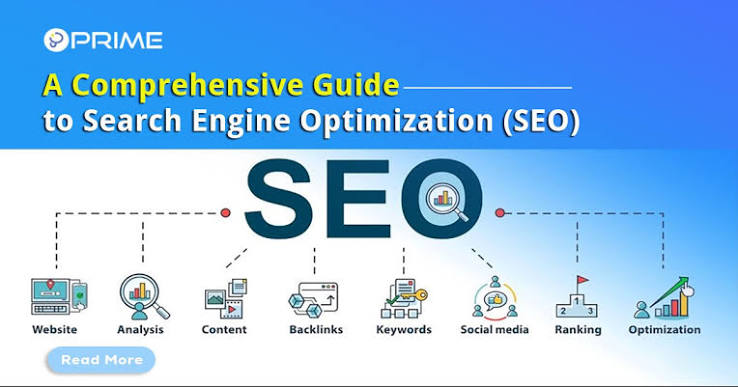
Building a strong online presence requires more than simply publishing content and adding keywords to web pages. Search engines evaluate many factors when determining which websites deserve visibility in search results. For businesses competing for attention online, a carefully planned optimization strategy can make a significant difference. professional seo services provide businesses with the expertise and structured approach needed to improve organic reach, attract relevant visitors, and create sustainable online growth.
A strategic SEO approach focuses on understanding a website, its audience, competitors, and search behavior. Instead of relying on random optimization techniques, professionals develop a plan based on measurable objectives and ongoing improvements.
Understanding Organic Reach
Organic reach refers to the visitors a website receives through unpaid search engine results. When people search for products, services, answers, or information, websites that appear prominently can attract valuable traffic without paying for every click.
However, earning strong organic visibility takes time. Search engines consider factors such as content quality, relevance, technical performance, website structure, backlinks, user experience, and search intent.
This is why SEO should be viewed as a long-term digital marketing strategy rather than a one-time task.
Why a Strategic SEO Approach Matters
A strategic approach helps businesses prioritize activities that can contribute to meaningful results. Without a clear plan, companies may spend resources targeting unsuitable keywords, publishing content without purpose, or making technical changes that do not address their most important problems.
Professional SEO teams typically begin by analyzing the current website and identifying opportunities. This may include reviewing rankings, organic traffic, technical issues, existing content, competitors, and keyword performance.
The findings can then be used to create a customized roadmap.
Conducting Detailed Keyword Research
Keyword research is one of the foundations of effective SEO. It helps businesses understand what potential customers are searching for and how those searches relate to their products or services.
Professionals can identify primary keywords, long-tail phrases, informational searches, commercial queries, and location-based terms where appropriate. Rather than focusing only on keywords with high search volume, a strategic campaign considers relevance and search intent.
For example, someone searching for general information may be in the research stage, while another person searching for a specific service may be closer to making a purchasing decision.
Creating content for different stages of the customer journey can help a website reach a broader and more relevant audience.
Creating Valuable and Relevant Content
High-quality content is essential for building organic visibility. Search engines aim to provide users with useful results, so websites need content that genuinely addresses their audience’s questions and needs.
Professional SEO services can help businesses develop content strategies around carefully selected topics. Blog posts, service pages, guides, landing pages, FAQs, and other resources can each serve different search purposes.
Effective content should be informative, easy to understand, logically organized, and aligned with user intent. Keywords can be incorporated naturally without making the writing difficult to read.
Improving On-Page SEO
On-page optimization involves improving elements within individual web pages. These elements can include titles, headings, meta descriptions, URLs, internal links, image information, and content structure.
A well-optimized page makes it easier for search engines to understand its subject while also providing a better experience for visitors.
Internal linking is another important part of on-page SEO. Connecting related pages can help users discover additional information and create a clearer structure for search engines to understand the relationships between different areas of a website.
Strengthening Technical SEO
Technical SEO focuses on the underlying performance and accessibility of a website. Even excellent content may struggle to perform if search engines have difficulty crawling, indexing, or understanding the site.
A professional technical SEO audit may examine website speed, mobile usability, broken links, indexing issues, redirects, duplicate content, site architecture, structured data, and other technical elements.
Fixing these problems can create a stronger foundation for future optimization efforts.
Improving Website Experience
User experience and SEO increasingly overlap. Visitors expect websites to load efficiently, work properly on mobile devices, and provide straightforward navigation.
A slow or confusing website can cause visitors to leave quickly. Improving page performance, navigation, readability, and mobile usability can therefore support both user satisfaction and broader search visibility.
Building a Strong Backlink Profile
Backlinks remain an important part of many SEO strategies. When reputable and relevant websites link to a page, those links can contribute to the site’s authority and credibility.
However, link building should focus on quality and relevance rather than simply collecting large numbers of links. Professional strategies may include digital PR, useful resources, industry partnerships, guest contributions, and content that naturally attracts references.
A thoughtful backlink strategy can strengthen a website’s authority while reducing reliance on low-quality or manipulative practices.
Using Competitor Analysis
Competitor research can reveal valuable opportunities. SEO professionals can examine which topics competitors target, what types of pages attract visibility, where their backlinks come from, and which search terms they appear for.
This does not mean copying competitors. Instead, the information can help identify gaps that a business can address more effectively.
For example, if competitors have detailed guides but lack useful supporting resources, a business may create more comprehensive content that provides additional value.
Measuring SEO Performance
A strategic SEO campaign should be measurable. Businesses need to understand whether their optimization efforts are moving toward meaningful goals.
Important performance indicators can include organic traffic, keyword rankings, click-through rates, conversions, indexed pages, engagement metrics, and leads generated through organic search.
Regular reporting allows businesses to identify successful strategies and areas that need adjustment. SEO is not static, so performance data should guide future decisions.
Why Consistency Supports Long-Term Growth
Search visibility rarely improves overnight. Consistent optimization allows businesses to build momentum over time.
New content, technical improvements, internal linking, digital authority, and regular performance analysis can work together to strengthen a website. Search trends also change, meaning businesses should continue reviewing their strategies rather than assuming that one campaign will remain effective forever.
Consistency also helps businesses respond to new opportunities. As new products, services, questions, and customer behaviors emerge, the website can be optimized accordingly.
Choosing Professional SEO Services
When selecting an SEO provider, businesses should look beyond promises of instant rankings. A reliable provider should explain its strategy, communicate clearly, use ethical optimization practices, and provide measurable reporting.
It is also important to choose a provider that understands the business’s industry and target audience. SEO strategies should be customized rather than based entirely on generic templates.
A strong provider should be willing to explain what work is being performed and why specific activities matter.
Final Thoughts
Professional SEO services can help businesses develop a structured approach to improving organic reach. From keyword research and content development to technical optimization, on-page improvements, competitor analysis, and authority building, every part of the strategy can contribute to stronger search visibility.
The most effective SEO campaigns focus on providing value to users while helping search engines understand a website’s relevance and quality. With consistent optimization, meaningful measurement, and a strategy aligned with business goals, companies can build a stronger organic presence and create opportunities for sustainable online growth.