
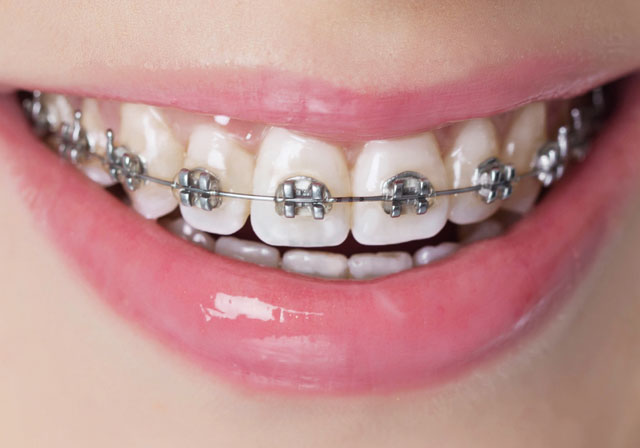
Finding the right orthodontic provider is an important decision for families who want healthy, confident, and beautiful smiles. Whether your child needs early orthodontic evaluation, your teenager is considering braces, or you are exploring clear aligners for yourself, choosing a qualified professional can make the entire treatment experience smoother and more comfortable. When searching for an orthodontist near me, it is important to look beyond convenience and consider experience, treatment options, technology, communication, and the needs of every family member.
Understand Your Family’s Orthodontic Needs
Every smile is different, so the best orthodontic provider should offer personalized recommendations rather than a one-size-fits-all approach. Some patients may have crowded teeth, while others may experience spacing problems, overbites, underbites, crossbites, or jaw development concerns. Children may require early monitoring, while teenagers and adults may benefit from comprehensive orthodontic treatment.
Before selecting a provider, consider why your family is seeking orthodontic care. If your child has difficulty chewing, noticeable tooth crowding, or teeth that appear to be developing incorrectly, an orthodontic consultation may be appropriate. Adults may be interested in improving alignment or correcting long-standing bite concerns.
A professional orthodontist should perform a thorough evaluation before recommending treatment. This may include examining tooth alignment, jaw relationships, facial growth, and overall oral development.
Search for an Orthodontist Near Me With Relevant Experience
Experience is one of the most important factors when choosing an orthodontic provider. Orthodontics involves specialized knowledge of tooth movement, jaw development, bite correction, and facial structure. A provider with substantial experience can recognize different orthodontic conditions and develop treatment plans based on individual needs.
When researching an orthodontist near me, review the provider’s professional background, education, certifications, and experience with patients in different age groups. Parents may also want to know whether the practice regularly treats children and teenagers.
Experience with different treatment methods can also be valuable. Depending on your family’s needs, treatment may involve traditional braces, ceramic braces, clear aligners, retainers, or other orthodontic appliances. A practice that offers several appropriate options may make it easier to find a solution that fits each patient’s lifestyle.
Consider the Treatment Options Available
Modern orthodontics offers more choices than ever before. Traditional metal braces remain a dependable option for many children and adults, while ceramic braces can provide a less noticeable appearance. Clear aligners have also become popular among patients who want a discreet treatment option.
However, the most attractive treatment option is not necessarily the most appropriate one. Your orthodontist should explain which solutions are suitable for your specific condition.
For example, clear aligners may be effective for many alignment concerns, but some complex cases may require other orthodontic approaches. A qualified provider should explain the advantages, limitations, expected treatment duration, and responsibilities associated with each option.
Look for Family-Friendly Care
Families often prefer an orthodontic practice that can accommodate children, teenagers, and adults. A family-friendly environment can make appointments less stressful, particularly for younger patients who may feel nervous about orthodontic treatment.
Pay attention to how the staff communicates with patients. A welcoming team should answer questions clearly and make patients feel comfortable throughout the process. Children may benefit from an environment where orthodontic procedures are explained in simple and reassuring language.
Parents should also feel comfortable discussing treatment plans, appointment schedules, costs, and progress with the orthodontic team. Good communication helps families understand what to expect from the beginning of treatment through the retention stage.
Evaluate the Practice’s Technology
Technology can play an important role in modern orthodontic treatment. Many practices use digital imaging, digital impressions, treatment-planning software, and other tools to evaluate teeth and create detailed treatment plans.
Digital scanning can eliminate the need for traditional impression materials in some situations and may make the process more comfortable for patients. Digital imaging can also help orthodontic professionals evaluate tooth and jaw relationships more precisely.
When visiting an orthodontist near me, ask what technology the practice uses and how it contributes to diagnosis and treatment planning. Technology should support professional expertise rather than replace it, so look for a practice that combines modern equipment with personalized care.
Think About Location and Appointment Convenience
Orthodontic treatment usually involves multiple appointments over an extended period. Because of this, convenience matters. Choosing a provider located close to home, school, or work can make regular appointments easier to manage.
Parents may want to consider appointment availability, office hours, parking, and scheduling flexibility. Teenagers often have busy school and extracurricular schedules, while working adults may need appointments outside traditional working hours.
A convenient location can reduce the stress associated with frequent orthodontic visits. However, convenience should be considered alongside qualifications, treatment quality, communication, and overall patient experience.
Ask About Treatment Costs
Orthodontic treatment is a significant financial commitment, so families should understand the costs before beginning treatment. During the consultation, ask about the estimated total treatment cost and what is included in the fee.
Some practices offer payment plans or financing options that can make orthodontic treatment more manageable. Families should also ask whether their dental insurance provides orthodontic benefits and whether the practice assists with insurance-related questions.
It is important to compare complete treatment plans rather than simply choosing the provider with the lowest advertised price. A lower initial price may not represent the full cost of treatment, so ask about retainers, additional appointments, replacement appliances, and other potential expenses.
Read Reviews and Consider Patient Experiences
Online reviews can provide useful information when researching an orthodontist near me. Reviews may reveal patterns regarding communication, appointment scheduling, staff friendliness, cleanliness, and overall patient satisfaction.
However, online reviews should not be the only factor in your decision. Consider information from multiple sources and look for consistent feedback rather than focusing on one particularly positive or negative comment.
You can also ask friends, relatives, coworkers, or your family dentist whether they have recommendations. Personal experiences can help you create a shortlist of providers worth visiting.
Schedule a Consultation Before Deciding
A consultation gives your family an opportunity to determine whether an orthodontic practice is a good fit. During the appointment, ask questions about diagnosis, treatment options, estimated duration, expected results, and follow-up care.
Pay attention to whether the orthodontist listens carefully and explains recommendations in a way you understand. You should feel comfortable asking questions and discussing concerns.
A good consultation should leave you with a clearer understanding of your orthodontic needs rather than making you feel pressured to begin treatment immediately.
Evaluate Long-Term Retention and Follow-Up Care
Orthodontic treatment does not necessarily end when braces or aligners are removed. Teeth can naturally shift over time, which is why retainers and follow-up care are important parts of maintaining results.
Ask potential providers how retention is handled after active treatment. Find out what type of retainer may be recommended, how often follow-up appointments occur, and what happens if a retainer is lost or damaged.
A provider who emphasizes long-term results demonstrates an understanding that orthodontic care extends beyond simply straightening teeth.
Choose a Provider Your Family Can Trust
Choosing an orthodontist near me should ultimately be about finding a provider who combines professional expertise with personalized, compassionate care. The right orthodontist should understand your family’s needs, explain treatment clearly, offer appropriate options, use modern diagnostic tools, and provide support throughout the entire orthodontic journey.
Take time to research providers, compare treatment approaches, review patient experiences, and schedule consultations. By looking beyond location and focusing on qualifications, communication, technology, convenience, cost, and long-term care, your family can make a confident decision.
A healthy, well-aligned smile can contribute to better oral function and greater confidence. With the right orthodontic provider, the journey toward that smile can be organized, comfortable, and tailored to each member of your family.