
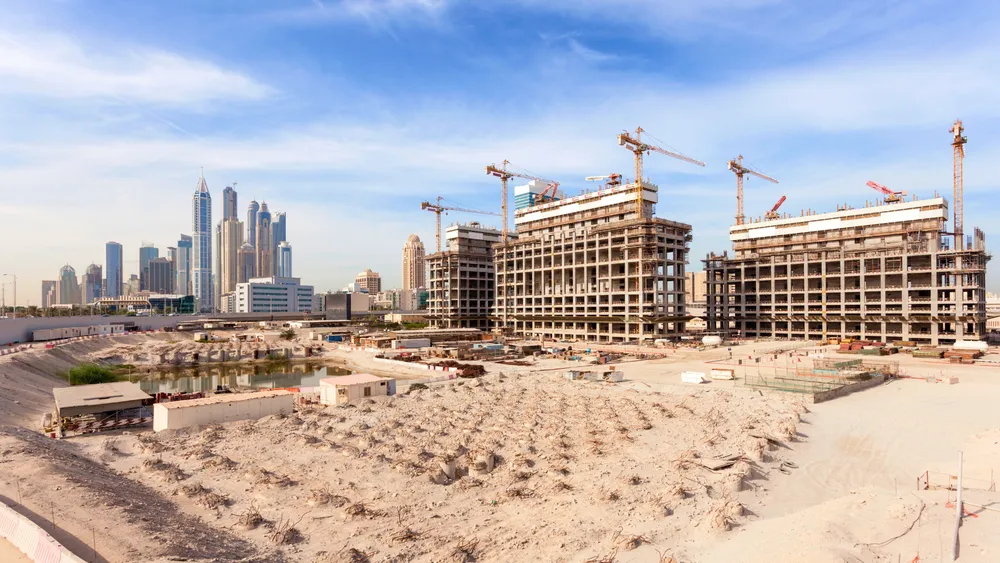
The real estate market continues to evolve as buyers look for properties that offer convenience, modern facilities, strong connectivity, and long-term value. Among the developers attracting attention in Pakistan, Imtiaz Developments has become associated with large-scale residential and mixed-use projects designed around contemporary lifestyles. For buyers considering a new property, understanding the Upcoming Imtiaz projects can be a useful starting point for identifying potential investment and living opportunities.
Buying into a new development, however, requires more than simply choosing a project based on its location or developer name. Buyers should carefully examine the project’s features, payment structure, expected completion, surrounding infrastructure, and potential resale or rental demand. This guide highlights the major factors worth considering before making a decision.
Understanding the Appeal of New Imtiaz Projects
New developments can provide buyers with access to modern planning and facilities that may not be available in older properties. Upcoming projects are often designed with contemporary architectural concepts, organized layouts, commercial areas, recreational spaces, parking facilities, and security features.
Another advantage is that buyers may have access to flexible payment plans during the early stages of development. Depending on the project, purchasing earlier may provide opportunities to select preferred units, floors, layouts, or locations within the development.
For investors, this early-stage potential can be particularly attractive. However, it is important to distinguish between genuine investment potential and assumptions about future appreciation.
Location Should Be a Top Priority
One of the most important considerations when evaluating the Upcoming Imtiaz projects is location. A well-planned property in a strategically positioned area can benefit from improved accessibility and growing surrounding infrastructure.
Buyers should investigate nearby roads, public transportation, schools, hospitals, shopping destinations, offices, and recreational facilities. Future infrastructure projects should also be considered, but buyers should verify whether proposed developments have received appropriate approvals rather than relying solely on marketing claims.
Accessibility can significantly influence both lifestyle convenience and future demand. A property that is easy to reach from major roads and important parts of a city may have stronger appeal among residents and tenants.
Examine the Project Master Plan
Before booking a property, buyers should understand the overall master plan. This includes residential towers or buildings, commercial spaces, parking areas, recreational facilities, entrances, roads, green areas, and other planned amenities.
A detailed master plan can help buyers understand how the community is expected to function after completion. It can also reveal whether important facilities are conveniently positioned in relation to the unit being considered.
Buyers should pay attention to the size and layout of common areas. Overcrowding, insufficient parking, or poorly planned access points can affect the experience of residents even when individual apartments or units look attractive.
Consider the Unit Layout
The internal layout of a property deserves careful attention. Buyers should consider room sizes, natural light, ventilation, storage, balconies, kitchen arrangements, bathrooms, and overall movement between spaces.
For investment purposes, practical layouts can be easier to rent or resell because they appeal to a broader range of buyers and tenants. For personal use, the best layout depends on household size and lifestyle requirements.
Compare Payment Plans Carefully
Payment plans can make new developments accessible to a larger number of buyers, but the advertised monthly installment should not be the only figure considered.
Calculate the complete financial commitment, including the booking amount, down payment, installments, development charges, parking costs, utility connections, taxes, documentation expenses, and any other applicable charges.
Buyers should also understand the consequences of delayed payments. Read the terms and conditions carefully and ask for written clarification whenever a charge or payment condition is unclear.
A property should fit comfortably within your financial capacity rather than forcing you to depend on uncertain future income or speculative price increases.
Evaluate Amenities and Lifestyle Features
Modern property buyers increasingly expect more than four walls and a convenient address. Amenities can contribute significantly to the attractiveness of a development.
Depending on the project, buyers may look for features such as landscaped areas, fitness facilities, community spaces, retail outlets, children’s play areas, security systems, elevators, parking, and recreational facilities.
However, buyers should evaluate whether these facilities are actually planned, under construction, or already operational. Marketing material may describe a project’s long-term vision, but the current development stage can be very different.
Check Developer and Project Documentation
Documentation is one of the most important parts of property due diligence. Before committing money, buyers should verify the project’s legal status, relevant approvals, ownership documentation, and applicable development permissions.
It is advisable to review official documentation rather than relying entirely on advertisements, social media posts, agents, or informal claims.
If necessary, consult an independent property lawyer or qualified real estate professional. Independent verification can help identify potential issues before a buyer becomes financially committed.
Think About Investment Potential
Investors considering the Upcoming Imtiaz projects should look beyond introductory prices. A strong investment case depends on several factors, including location, supply and demand, infrastructure development, rental prospects, project quality, and overall market conditions.
Consider both short-term and long-term objectives. Some buyers may seek capital appreciation, while others may prioritize rental income. A property suitable for one strategy may not necessarily be ideal for another.
Research comparable properties in the surrounding area and compare their asking prices, rental rates, occupancy levels, and resale activity. This provides a more realistic picture of potential returns.
Consider Future Resale Demand
Resale potential should be part of the buying decision from the beginning. Properties with practical layouts, good accessibility, reliable facilities, and strong neighborhood development may attract a wider pool of future buyers.
Avoid assuming that every newly launched project will automatically experience rapid appreciation. Real estate performance depends on broader economic conditions and local market demand.
Visit the Development Site
Online research is useful, but a physical site visit can provide valuable information that brochures cannot.
During a visit, observe construction progress, surrounding roads, neighboring properties, traffic conditions, available infrastructure, and the overall environment. If possible, visit at different times of day to understand accessibility and activity levels.
Ask project representatives direct questions about construction timelines, utilities, possession, maintenance, and community facilities. Compare their answers with the official documentation.
Make an Informed Buying Decision
The right property is not necessarily the one with the most impressive advertisement. It is the one that matches your financial position, lifestyle requirements, investment objectives, and risk tolerance.
The Upcoming Imtiaz projects may appeal to buyers seeking modern developments and potential long-term opportunities, but every project should be evaluated individually. Location, documentation, payment terms, construction progress, amenities, and market demand should all be considered before making a commitment.
Ultimately, successful property buying depends on research and patience. Take time to compare alternatives, verify information independently, understand every financial obligation, and seek professional advice where appropriate. With careful due diligence, buyers can make more confident decisions and choose a property that has genuine value for their future.