
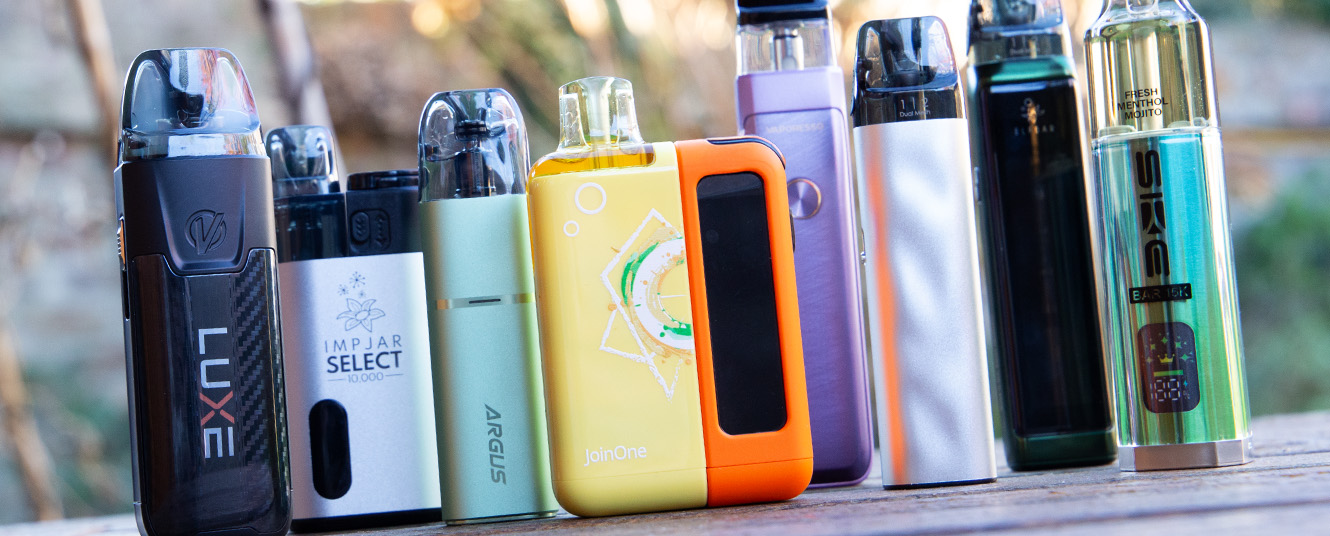
Vaping has become a widely discussed topic as technology, product design, and consumer preferences continue to evolve. Modern vapes are available in many different forms, ranging from compact disposable devices to rechargeable systems designed for repeated use. Understanding how these products work, how they differ, and what trends are shaping the market can help readers approach the subject with greater awareness.
Understanding Modern Vapes
At their simplest, vapes are electronic devices designed to heat a liquid or other material and produce an aerosol that the user inhales. Unlike traditional cigarettes, most electronic vaping devices do not burn tobacco. Instead, they generally use a battery, heating element, and a liquid-containing chamber or cartridge.
The basic design has remained relatively straightforward, but manufacturers have introduced many variations. Some products emphasize portability, while others focus on battery capacity, adjustable settings, flavor variety, or reusable components. These differences mean that the modern vaping category includes products aimed at a wide range of adult consumers.
It is also important to understand that vaping is not risk-free. Aerosols from vaping products can contain nicotine and other substances, and nicotine is addictive. People who do not currently use tobacco or nicotine products, particularly young people and pregnant individuals, should not begin vaping.
Different Types of Vape Products
One of the most noticeable developments in the industry is the variety of available product formats. Disposable vapes are designed for convenient use and are generally discarded after their contents or battery are depleted. Their compact construction and simple operation have contributed to their popularity in several markets.
Rechargeable pod systems provide another approach. These devices typically use a rechargeable battery and replaceable or refillable pods. They can be smaller than many traditional box-style devices while offering users more flexibility over how the product is maintained.
Vape pens are another familiar category. Their cylindrical shape and relatively simple controls make them recognizable among electronic vaping products. More advanced devices may include adjustable power levels, digital displays, airflow controls, and other features.
Regardless of format, product specifications should be checked carefully. Battery information, ingredients, manufacturer instructions, age restrictions, and applicable regulations can vary between markets.
The Role of Technology in Vaping
Technology has played an important role in changing modern vapes. Earlier electronic cigarettes often had limited battery capacity and basic designs. Today’s products can incorporate improved charging systems, more efficient heating components, airflow management, and compact electronics.
Some devices are designed to provide a more consistent experience throughout their operating life. Others include safety features intended to reduce problems such as overheating or accidental activation. However, electronic safety features do not eliminate all risks, making proper handling and storage important.
Battery technology is particularly significant. Rechargeable products depend on lithium-ion batteries or similar technologies, which require appropriate charging practices. Users should follow the manufacturer’s instructions, avoid damaged batteries or devices, and keep vaping equipment away from extreme heat.
Changing Consumer Preferences
Consumer preferences have also influenced the evolution of vapes. Convenience remains an important consideration, especially for products that are small enough to carry easily. Product appearance has become another factor, with manufacturers offering different shapes, finishes, and sizes.
Flavor is another major part of the vaping market, although flavor availability is increasingly influenced by regulations. Different jurisdictions have introduced restrictions concerning flavors, nicotine concentrations, packaging, advertising, and product sales.
Some adult consumers are interested in reusable products because they may offer longer-term functionality than single-use devices. Others prioritize simplicity and convenience. These different preferences explain why manufacturers continue developing multiple product categories rather than relying on one standard design.
Understanding Nicotine and Vape Liquids
Many vapes contain nicotine, although nicotine-free products also exist. Nicotine is an addictive substance, and its presence is an important consideration when evaluating any vaping product.
Vape liquids commonly contain ingredients such as propylene glycol and vegetable glycerin, along with flavorings and, where applicable, nicotine. However, formulations can vary considerably between products.
Consumers should read product labels carefully and purchase only products that comply with the regulations of their location. Unclear or improperly labeled products can create additional concerns because users may not know exactly what substances they contain.
Trends Shaping the Vape Market
Several trends are influencing the development of modern vapes. One is the movement toward smaller and more portable devices. Compact designs can provide convenience while reducing the physical size of the product.
Another trend is greater emphasis on rechargeable technology. Reusable devices can reduce the need to replace the entire unit after each use, although pods, coils, or other components may still require replacement.
Smart features are also appearing in some advanced products. Digital displays, adjustable settings, battery indicators, and other electronic controls demonstrate how vaping devices are becoming increasingly technology-oriented.
At the same time, regulation is becoming one of the strongest forces shaping the industry. Governments and public-health organizations continue to evaluate vaping products, with rules differing significantly between countries and regions. These regulations can affect which products may be sold, how they are packaged, and how they can be marketed.
Safety and Responsible Use
Anyone considering vaping should understand the potential health and safety concerns. Nicotine dependence is a major issue, and vaping should not be viewed as harmless simply because it does not involve conventional tobacco combustion.
Device safety is also important. Vapes should be kept away from children and pets, stored according to manufacturer recommendations, and handled carefully. Charging equipment should be used as instructed, and damaged devices should not be used.
People who already smoke traditional cigarettes sometimes consider vaping as an alternative, but the health implications are complex. Individuals considering switching from smoking should consult reliable health information and qualified healthcare professionals rather than assuming that every vaping product has the same risk profile.
Regulations and Market Awareness
Vaping laws differ around the world. Some countries permit regulated sales, while others impose strict restrictions or prohibit particular categories of products. Age requirements, nicotine limits, packaging rules, advertising restrictions, and import regulations can all vary.
For this reason, consumers should check current local laws before purchasing or using vaping products. Online information can become outdated quickly, particularly in markets where regulations are changing.
Responsible manufacturers and retailers should provide clear product information and comply with applicable requirements. Consumers can contribute to safer purchasing decisions by checking labels, manufacturer details, warnings, and instructions.
Looking Ahead
The future of vapes will likely continue to be influenced by technology, regulation, consumer preferences, and public-health research. Product development may focus on improved battery efficiency, more controlled heating systems, simpler designs, and greater transparency about ingredients.
At the same time, regulatory scrutiny is likely to remain strong. The industry must respond to changing requirements while consumers increasingly seek information about product composition, device safety, and environmental impact.
Understanding these developments provides a more balanced perspective on vaping. Rather than viewing all products as identical, it is useful to recognize the differences between disposable, rechargeable, pod-based, and advanced devices, as well as the varying rules that govern them.
Conclusion
Modern vapes represent a diverse category of electronic products shaped by rapid technological development and changing consumer expectations. From simple disposable devices to sophisticated rechargeable systems, the market has expanded considerably. However, greater variety also makes informed decision-making more important.
Understanding device types, nicotine content, battery safety, product labeling, regulations, and current market trends can help adults approach vaping with greater awareness. As technology and legislation continue to develop, staying informed remains one of the most practical ways to understand the evolving world of modern vaping products.